Darknet Markets 2026:
The dark web is part of the deep web but is built on darknets: overlay networks that sit on the internet but which can't be accessed without special tools or software like Tor. Tor is an anonymizing software tool that stands for The Onion Router — you can use the Tor network via Tor Browser.
| Darknet Market | Established | Total Listings | Link |
|---|---|---|---|
| TorZon Market | 2022 | 140+ | Onion Link |
| Nexus Market | 2024 | 600+ | Onion Link |
| Abacus Market | 2022 | 100+ | Onion Link |
| Ares | 2026 | 100+ | Onion Link |
| Cocorico | 2023 | 110+ | Onion Link |
Updated 2026-10-27
Getting a Working Darknet URL for Easy Access
Accessing a darknet market begins with obtaining a current dark market url. These URLs are gateways hosted on encrypted networks like Tor or I2P, which conceal the server's location and the user's identity. A functional URL is the first requirement for engaging with these platforms, where a wide variety of goods are available for purchase.
Markets frequently change addresses as a standard security practice to mitigate distributed denial-of-service (DDoS) attacks and other threats. Users typically find updated URLs through dedicated link aggregation sites or community forums that are independently maintained. These directories provide verified lists, often accompanied by user feedback on the link's reliability. It is standard procedure to verify a new URL's authenticity by checking its PGP-signed message from the market administration, ensuring it is not a phishing attempt.
Once a valid URL is secured, the encrypted network provides the foundational layer of privacy. All traffic is routed through multiple nodes, making it extremely difficult to trace. This system allows buyers and sellers to connect with a high degree of operational security. The combination of a correct dark market url and the underlying network architecture creates a stable environment for commerce, where transactions are protected from external surveillance and interference.
How Changing URLs Keep Darknet Markets Safe and Trade Flowing
The frequent rotation of darknet market URLs is a core feature of operational security, not a sign of instability. This practice directly counters external threats and maintains platform integrity. A static address would make a market an easy target for denial-of-service attacks or seizure. By regularly updating the official URL and disseminating it through verified channels, markets ensure continuous access for their user base while disrupting hostile actions.
The primary mechanism for this is the use of mirrors and backup links. When a primary URL becomes compromised or is taken offline, these alternative gateways provide immediate redundancy. Users typically find these updated addresses through dedicated link aggregation sites or forums, which act as a clearinghouse for verified URLs. This system creates a resilient network where the marketplace service persists independently of any single web address.
From a user perspective, this constant change reinforces the necessity of verifying links before use. It encourages reliance on community-vetted sources and multi-signature escrow systems, which protect funds even if a link is fraudulent. The evolving URL is thus integral to the ecosystem's survival, ensuring that commerce can proceed with minimal interruption. It filters for informed participants who understand and adhere to security protocols, thereby strengthening the overall community.
How Encryption Keeps Darknet Trade Safe and Private
The operational security of a darknet market is fundamentally dependent on its use of an encrypted network, primarily Tor (The Onion Router). This technology does not merely hide the market's location; it creates a secure architectural framework for all transactions. When a user accesses a market URL, their connection is routed through multiple encrypted layers, or relays, across the globe. This process anonymizes the network traffic by separating the user's identity from their activity.
Each transaction and communication within the market is further secured by mandatory end-to-end encryption. This means messages between buyers and vendors are encrypted on the sender's device and only decrypted on the recipient's device. Not even the market administrators can read the contents, which protects sensitive details like delivery addresses and order specifics. This layered encryption ensures that the marketplace functions as a discreet platform for commerce, where privacy is structurally enforced rather than optionally applied.
The combination of network and communication encryption allows for a stable trading environment. It enables:
- Secure access to market URLs without revealing user IP addresses.
- Private negotiation and feedback systems that maintain user anonymity.
- A foundation for the escrow and cryptocurrency payment systems to operate without external interference.

Finding Trusted Vendors with Reviews and Ratings
The darknet market ecosystem relies on a decentralized form of trust, where user-generated feedback serves as the primary mechanism for evaluating vendor reliability. This system functions as a practical solution to the absence of formal arbitration, allowing for informed purchasing decisions. Reviews and ratings provide a transparent record of a vendor's transaction history, product consistency, and operational security.
When examining a vendor's profile, several data points require analysis. The vendor rating, typically a percentage, offers a quick overview of historical performance. A high rating over a long period and a large number of transactions indicates stability. The detailed review section contains qualitative data from buyers, often specifying:
- the exact quality and purity of the product received
- the speed and discretion of shipping
- the clarity and professionalism of communication
This feedback creates a reputational capital that financially incentivizes vendors to maintain high standards. Newer vendors often establish credibility by offering smaller sample listings to accumulate positive reviews. The review system also extends to product listings, where specific batch quality is documented, enabling buyers to select vendors based on the most recent and relevant information. This collective verification process significantly reduces the risk of financial loss and ensures a more predictable outcome for each transaction.
How Crypto Makes Buying on the Darknet Private and Secure
The financial layer of a darknet market is built on cryptocurrency, primarily Bitcoin and Monero. This is not a matter of preference but a functional necessity for financial anonymity. When a user sends traditional currency from a bank account, the transaction is directly tied to their legal identity. Cryptocurrency transactions, in contrast, are recorded on a public ledger, but the wallet addresses involved are strings of alphanumeric characters not inherently linked to a person's name or physical address.
The process begins when a buyer acquires cryptocurrency through an exchange. To enhance privacy, this coin should be moved through a mixing service or a series of private wallets before reaching the market wallet. This practice, called tumbling, obscures the trail from the original purchase. Markets then use a system of internal, unique deposit addresses for each user. Funds are held in a multisignature escrow until the order is finalized, which means the vendor cannot access the payment until the buyer confirms satisfactory receipt of the product.
Monero has become increasingly favored over Bitcoin for its superior privacy features. While Bitcoin's blockchain is transparent, allowing transaction patterns to be analyzed, Monero uses stealth addresses and ring signatures to make transactions untraceable and unlinkable. This provides a stronger guarantee that a payment cannot be connected back to a market purchase. The use of cryptocurrency thus creates a financial buffer, separating the act of purchasing goods on a darknet from the identifiable financial activity in the conventional banking system.

How Darknet Markets Ensure Good Quality Drugs
The foundation of a functional darknet market is a self-regulating quality assurance system. This system operates through transparent user feedback, creating a reputational economy where vendor success is directly tied to product consistency. Buyers post detailed reviews and numerical ratings on every transaction, which are permanently linked to a vendor's profile. A vendor with hundreds of positive reviews and a high score has a proven track record, making them a lower-risk choice.
The review process examines specific criteria:
- The accuracy of the product description versus what is received.
- The purity or potency of the substance, often verified by community members.
- The stealth and professionalism of the packaging and shipping.
- The speed and clarity of communication.
Markets with stable darknet market URLs tend to develop more robust review histories, as a persistent community can track vendor performance over time. Therefore, finding a secure, long-standing market link is the first step toward accessing this system. The result is a competitive environment where reliable vendors thrive, and product quality is not left to chance but is actively documented and enforced by the user base itself.
How Darknet Markets Use Crypto for Private Sales
Financial anonymity on the darknet is achieved through the integrated use of cryptocurrencies and tumbling services. Transactions do not use traditional banking systems, which require personal identification. Instead, markets operate with digital currencies like Monero (XMR) and Bitcoin (BTC). Monero provides superior privacy by obfuscating transaction details on its blockchain, making it the preferred choice. Bitcoin transactions are public, so additional steps are necessary for anonymity.
The process for a user involves first acquiring cryptocurrency from an exchange. To enhance privacy, this coin should then be sent through a tumbler or mixer, a service that pools and redistributes funds to break the link between the source and destination addresses. The anonymized coins are then transferred to the user's private wallet within the darknet market. This multi-step process creates essential financial separation.
Markets facilitate trade with internal escrow systems. When a buyer places an order, payment is held in escrow by the market until the product is received and confirmed. Only then is the cryptocurrency released to the vendor. This mechanism protects both parties:
- Buyers are assured they will receive their product.
- Vendors are guaranteed payment for completed orders.
The entire financial ecosystem is designed for discreet commerce. The absence of direct cash trails and the use of encrypted transaction channels make darknet markets a functional platform for private trade, where financial interactions are secured by cryptographic protocols rather than personal identifiers.
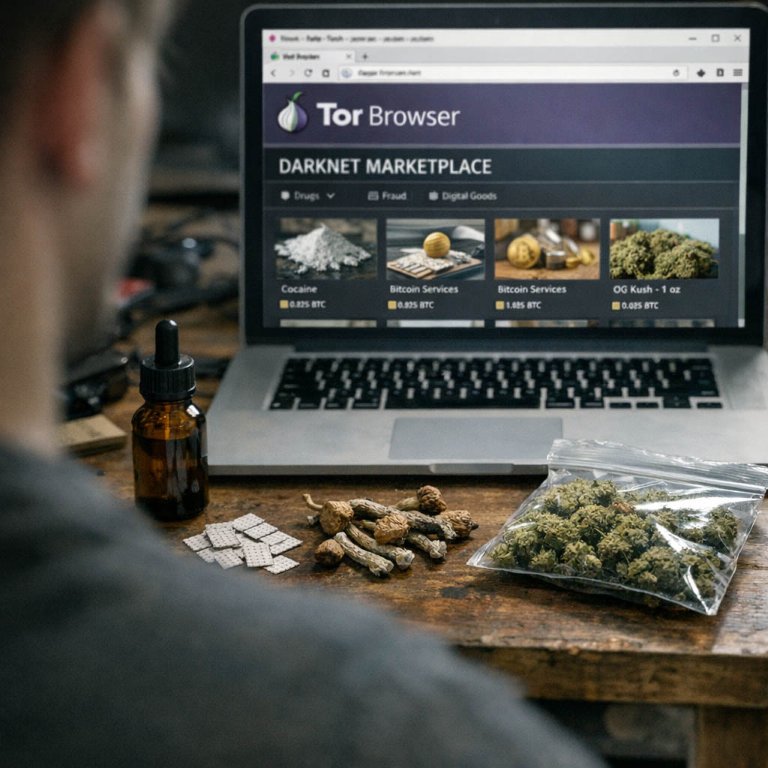
How Darknet Buyers and Sellers Build Trust Together
The decentralized nature of darknet commerce necessitates a robust system of community self-regulation, which functions as the primary mechanism for establishing trust and safety in the absence of formal institutions. This system is built upon transparent user feedback and collective enforcement. Every transaction concludes with a vendor review and product rating, creating a permanent, publicly accessible record of performance. These reviews detail product quality, shipping speed, and communication, allowing new buyers to make informed decisions based on aggregated community data rather than vendor claims.
The feedback score becomes a vendor's most valuable asset, directly influencing their visibility and sales. This creates a powerful economic incentive for honest dealing. Disputes between buyers and vendors are often resolved through a community-moderated escrow system. Funds are held by a neutral third party until the buyer confirms satisfactory receipt of the goods, preventing scams and ensuring transactional fairness. Community forums and discussion boards serve as an additional layer of oversight, where users share experiences, warn others about suspicious listings or exit scams, and collectively verify the legitimacy of new darknet market URLs. This continuous, real-time peer verification acts as a more effective and adaptive quality control system than many traditional retail environments, as it is driven by the direct financial interests and shared security needs of all participating parties.