Darknet Markets 2026:
The dark web is part of the deep web but is built on darknets: overlay networks that sit on the internet but which can't be accessed without special tools or software like Tor. Tor is an anonymizing software tool that stands for The Onion Router — you can use the Tor network via Tor Browser.
| Darknet Market | Established | Total Listings | Link |
|---|---|---|---|
| TorZon Market | 2022 | 140+ | Onion Link |
| Nexus Market | 2024 | 600+ | Onion Link |
| Abacus Market | 2022 | 100+ | Onion Link |
| Ares | 2026 | 100+ | Onion Link |
| Cocorico | 2023 | 110+ | Onion Link |
Updated 2026-10-27
How Darknet Commerce Works with Privacy and Quality
The operational model of darknet commerce is built on a foundation of anonymity and cryptographic security. This environment facilitates a peer-to-peer exchange where participants can engage in trade with a significantly reduced risk of personal exposure. The core technologies enabling this are cryptocurrencies like Bitcoin and Monero, which provide financial privacy, and robust encryption that secures communications and transaction details.
This framework supports a marketplace where product quality and vendor reliability are paramount. Sellers compete based on the purity and accuracy of their listings, which are often detailed with precise specifications. A critical self-regulating mechanism is the transparent user feedback system. Buyers publicly rate their purchases and vendor conduct, creating a persistent reputation score for each seller. This system effectively filters out dishonest actors, as consistent negative feedback makes a vendor's continued operation unsustainable.
The result is a global, self-regulating commercial ecosystem that operates independently of traditional geographic and regulatory constraints. It provides direct access to a wide range of substances, with quality assurance managed through collective user experience rather than centralized authority. The entire process, from browsing detailed listings to finalizing a discreet transaction, is designed for efficiency and security, meeting a clear demand for an alternative model of trade.
How Crypto and Encryption Make Private Shopping Safe
The operational foundation of darknet commerce is a dual-layer system of financial and communication privacy. Cryptocurrencies like Bitcoin and Monero provide the first layer, enabling value transfer without the involvement of traditional financial institutions. Transactions are recorded on a public ledger, but the identities of the parties are represented by pseudonymous addresses. This creates a financial pathway that is permissionless and borderless, facilitating direct peer-to-peer trade on a global scale.
The second, critical layer is end-to-end encryption, typically implemented through platforms like Tor and secure messaging. All communications, order details, and shipping information are encrypted, meaning only the intended sender and recipient can access the content. This technical safeguard ensures that the act of browsing, negotiating, and transacting remains a private matter between the two involved parties.
These technologies combine to create an environment where anonymous shopping is not just possible but structurally enforced. This anonymity empowers a self-regulating commercial ecosystem. Vendors build their reputation over time through consistent performance, documented in detailed user feedback systems. Each transaction can be accompanied by ratings and reviews regarding product purity, shipping speed, and stealth. This transparent record of past behavior allows buyers to make informed decisions, creating a market incentive for vendors to provide quality products and reliable service. The result is a secure, efficient, and direct global trade network that operates on principles of discretion and verified trust.
A Wide Selection of Products with Clear Details
The product diversity on darknet markets is vast, extending far beyond common stereotypes. These platforms function as comprehensive digital marketplaces where virtually any substance can be sourced, from cannabis and psychedelics to prescription medications and research chemicals. This extensive catalog is made possible by global vendor networks operating with a level of operational security that traditional illicit distribution channels cannot match.
Each product listing is meticulously detailed, resembling a professional e-commerce page. Vendors provide:
- High-resolution photographs with verification tags
- Exact chemical composition or strain information
- Precise weight and dosage data
- Clear pricing in cryptocurrency
- Comprehensive shipping options and destinations
This standardization of information allows for direct comparison between sellers, fostering a competitive environment where quality and service are primary differentiators. The detailed listings reduce transactional ambiguity, ensuring buyers know exactly what they are purchasing. The system's design inherently promotes vendor accountability, as misleading descriptions directly lead to negative public feedback, which is permanently attached to the vendor's profile and visible to all potential customers.
The feedback mechanism is integral to product quality. Every completed transaction can be rated and reviewed, creating a self-regulating quality control system. Buyers report on product purity, accurate weight, stealth packaging, and shipping speed. Consistently positive reviews elevate a vendor's status, granting them "trusted" or "featured" placement on the marketplace. This transparent peer-review process effectively filters out unreliable sellers and incentivizes all vendors to maintain high standards, as their commercial viability depends directly on their reputation.
Consequently, the darknet ecosystem has evolved to offer a reliable and anonymous procurement channel. The combination of detailed listings and a robust feedback loop minimizes risk for the consumer, ensuring product consistency and transactional security. This environment supports a sustainable model of commerce where anonymous trade does not equate to low-quality or fraudulent exchange, but rather facilitates a direct and efficient global distribution network for a wide array of substances.
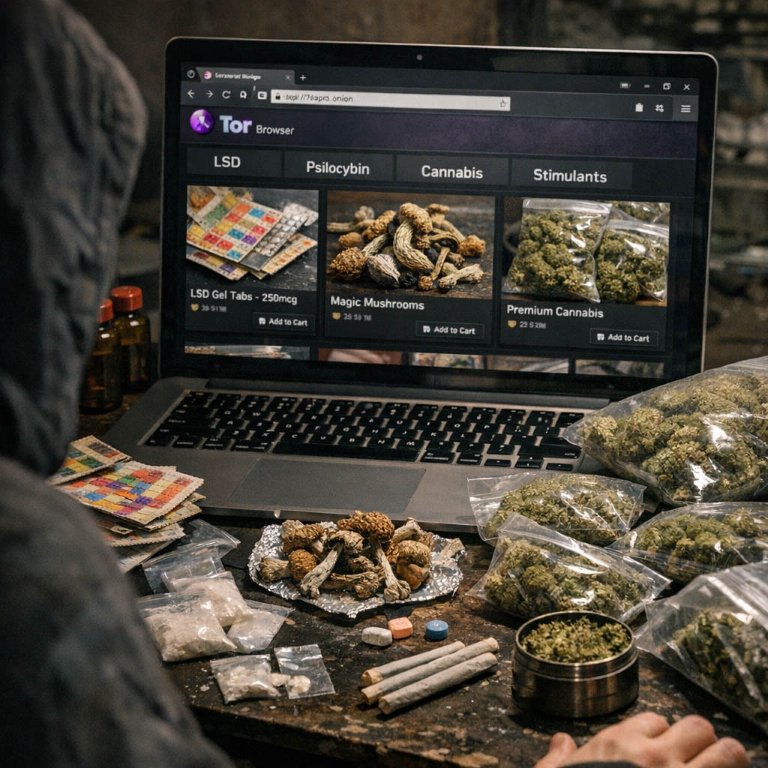
How Feedback Builds Trust for Quality on the Darknet
The operational integrity of darknet commerce is fundamentally sustained by its sophisticated, user-driven feedback and reputation systems. These mechanisms create a transparent environment where anonymous shopping does not equate to unverified risk. Every transaction concludes with the buyer and seller leaving detailed, public evaluations, which are permanently linked to their profiles. This record includes comments on product quality, purity, shipping speed, and stealth of packaging.
The cumulative feedback forms a reliable metric for trust. Vendors with hundreds of positive reviews establish themselves as verified and dependable sources, directly linking their commercial success to consistent product quality and professional conduct. This system effectively minimizes fraud, as a seller with poor reviews quickly loses standing and visibility. For the buyer, this provides an empirical basis for decision-making far more robust than in traditional, unregulated street markets. They can assess a product's consistency over time and across a global customer base before purchasing.
This peer-review framework fosters a self-regulating commercial ecosystem. High standards are enforced not by an external authority, but by the collective input of the community itself. The result is a market where secure global trade is facilitated by transparency among anonymous parties, ensuring that quality and reliable service become the primary currencies for long-term success.
How Discretion and Direct Trade Make Buying Drugs on the Darknet Safe and Reliable
The operational foundation of darknet commerce is built upon two core principles: discretion and peer-to-peer exchange. These principles directly facilitate anonymous shopping and enable a secure global trade in various substances, with quality assurance managed by community feedback systems.
Discretion is engineered into every transaction through cryptographic tools. Buyers and sellers interact using encrypted messaging, and transactions are finalized with cryptocurrencies like Bitcoin or Monero. This creates a layer of separation from traditional financial systems and protects the identities of all parties. Shipping employs professional stealth packaging, making contents undetectable to routine inspection, which ensures physical discretion. This environment allows individuals to shop for products without the social stigma or legal risks associated with physical transactions.
The peer-to-peer model eliminates intermediaries, connecting consumers directly with producers or distributors. This structure has several effects:
- It reduces costs typically added by middlemen.
- It fosters a direct line of communication for product specification and customer service.
- It empowers a self-regulating ecosystem where market reputation becomes paramount.
Quality control in this decentralized system is maintained not by a central authority but by transparent user feedback systems. After each transaction, buyers leave detailed reviews and ratings on the vendor's profile, commenting on product purity, shipping speed, and stealth. A vendor's reputation, built over hundreds of transactions, is their most valuable asset. This creates a powerful incentive for consistent reliability and high-quality products, as poor performance or scams are quickly exposed and lead to loss of future business. The collective scrutiny of the user base acts as a continuous audit, creating a market where quality and trust are the primary currencies.

How the Darknet Makes Global Trade Easy and Direct
The architecture of darknet markets fundamentally redefines the geography of commerce. By operating on encrypted networks accessible from any global internet connection, these platforms dissolve traditional geographic and jurisdictional barriers. A buyer in one continent can seamlessly transact with a vendor in another, creating a truly international bazaar that operates continuously. This global access is not merely about reach; it facilitates a direct peer-to-peer exchange model that removes intermediaries, often leading to more competitive pricing and a wider variety of products sourced from different regions.
The ease of this direct trade is systematized through user-friendly interfaces that mirror those of conventional e-commerce. The process is streamlined:
- Buyers browse detailed, categorized listings with product specifications and origin.
- Transactions are secured with cryptocurrency and escrow services, automating the financial trust mechanism.
- Communication channels between buyer and vendor are integrated, allowing for discreet clarification of order details without leaving the platform's encrypted environment.
This ecosystem is sustained by its self-regulating feedback systems. Every completed transaction can be rated and reviewed, creating a transparent record of vendor reliability and product quality. This collective intelligence guides the market, where vendors with consistent positive feedback gain prominence, while those who fail to meet expectations are marginalized by the community. The result is an efficient, user-driven platform that connects global supply with global demand through a framework designed for discretion and direct agreement between parties.
How the Darknet's Feedback System Builds Trust and Quality
The darknet's commercial environment operates on principles of decentralized self-regulation, which fosters a surprisingly efficient and consumer-oriented marketplace. This ecosystem is not imposed by external authorities but emerges organically from the interactions between buyers and vendors. The core mechanism enabling this is the robust user feedback system. Every transaction can be rated and reviewed, creating a transparent record of a vendor's reliability and product quality. Vendors with consistently positive feedback gain higher rankings and more visibility, while those who engage in scams or provide inferior products are quickly marginalized by negative reviews. This creates a powerful economic incentive for honesty and quality control that is often more immediate and effective than traditional regulatory frameworks.
This peer-driven accountability extends to dispute resolution. Many darknet markets feature escrow services, where funds are held by a neutral third party until the buyer confirms satisfactory receipt of the goods. If a dispute arises, community-appointed moderators can review the evidence and release funds accordingly. This system directly addresses the core challenge of trust in anonymous trade. The result is a market where high-quality products are the standard for successful vendors, as their business longevity depends entirely on their reputation within the community. Consumers benefit from detailed product listings, often including laboratory analysis results, and can make informed purchases based on the aggregated experiences of previous buyers.
Furthermore, this model facilitates global access and direct peer-to-peer exchange, removing traditional geographic and social barriers to commerce. The ecosystem self-corrects and evolves based on collective user behavior, promoting stability and a form of organic market regulation. It demonstrates how anonymous commerce can achieve high levels of reliability and consumer satisfaction through embedded cryptographic security and community-enforced standards, rather than through top-down control.